
Growth Without Emotional Intelligence Is Fragile

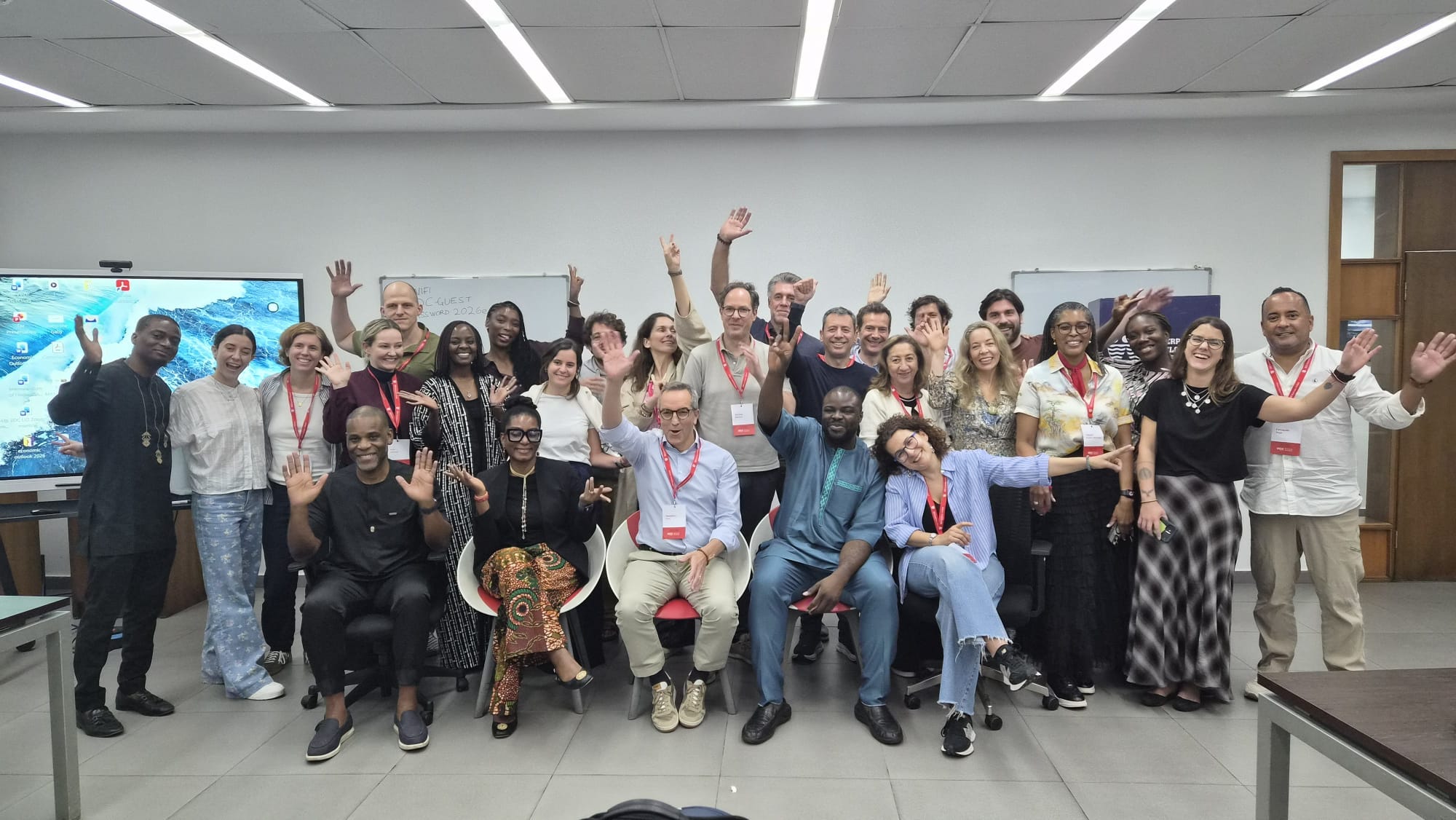
Over the last month, I have worked across three continents. Africa, North America. Europe. From Denver, Colorado to Lagos, Nigeria, I have engaged with founders, leadership teams, and negotiation experts from more than twenty nationalities. Different markets,cultures and stages of growth.
As someone who loves to watch and observe deeply, this is what I observed:
The most innovative leaders are not only investing in product, technology, or strategy. They are investing in the emotional intelligence of their teams.
They understand that scaling a company is not just a structural challenge. It is a relational one.
As organisations grow, complexity multiplies. More stakeholders. More pressure. More scrutiny. More internal tension. Without the ability to have difficult conversations, that tension quietly turns into avoidance, politics, and silent misalignment.
Another observation I made was that the strongest leaders are no longer treating emotions as something to suppress. They are treating emotions as data. As signals. As information about what is happening beneath the surface of performance.
Fear tells you something about risk. Frustration tells you something about unmet expectations. Silence tells you something about psychological safety.
In Denver, I heard founders speak openly about the need for reflective leadership. In Lagos, I saw teams willing to confront power dynamics and cultural complexity head-on. Across Europe, executives are beginning to recognise that unresolved tension is far more expensive than honest dialogue.
It feels like something is shifting.
Perhaps I am being optimistic. But it is becoming increasingly clear that there is a real business case for building leaders who are not afraid of emotion. Leaders who can hold conflict without escalating it. Leaders who see emotional signals as information rather than weakness. Leaders who understand that growth without emotional maturity is fragile.
Strategy matters. Capital matters. Execution matters. But the ability to navigate human complexity may be the true multiplier.
And that is not a soft skill. It is infrastructure.
What do you think?